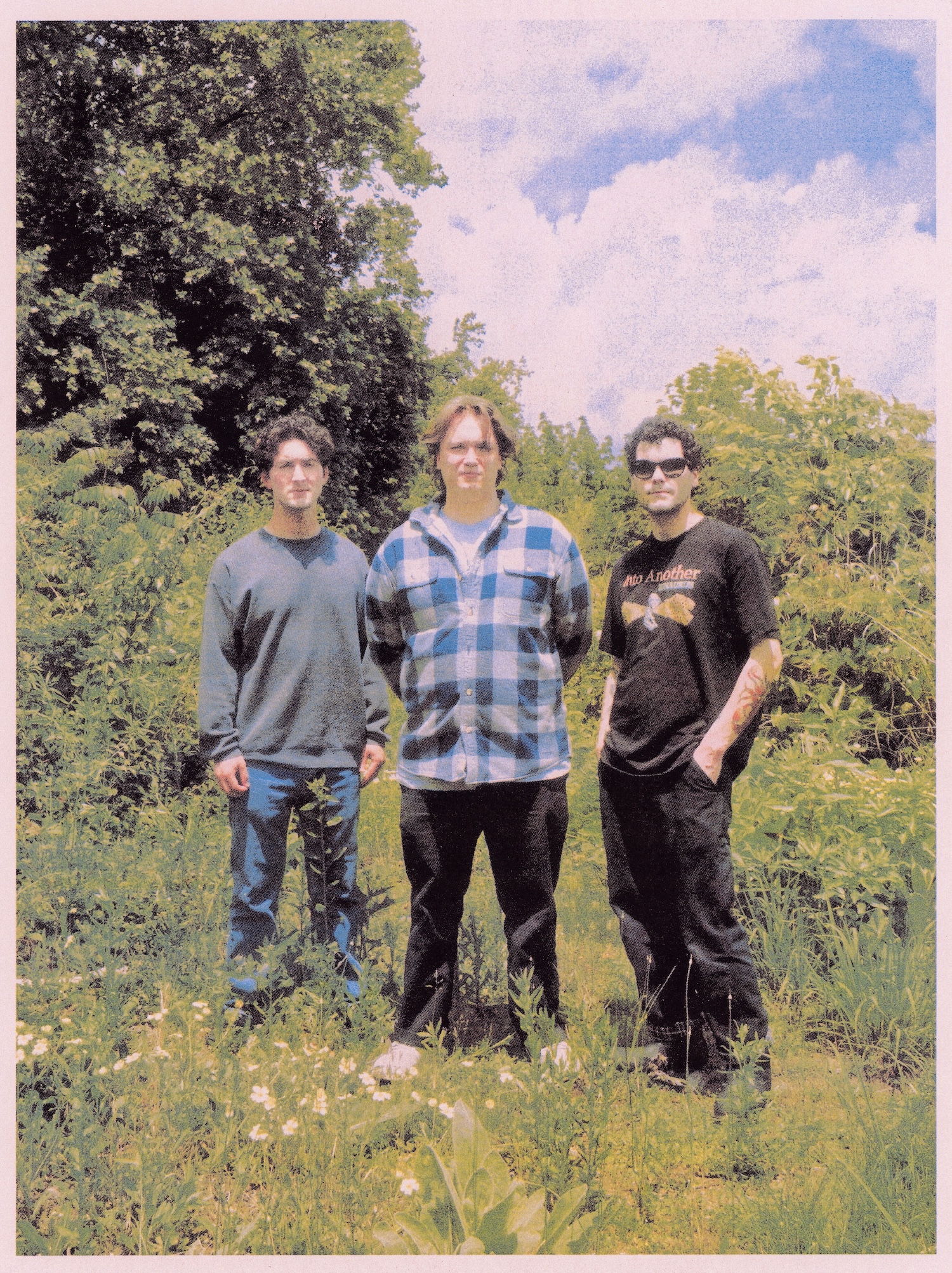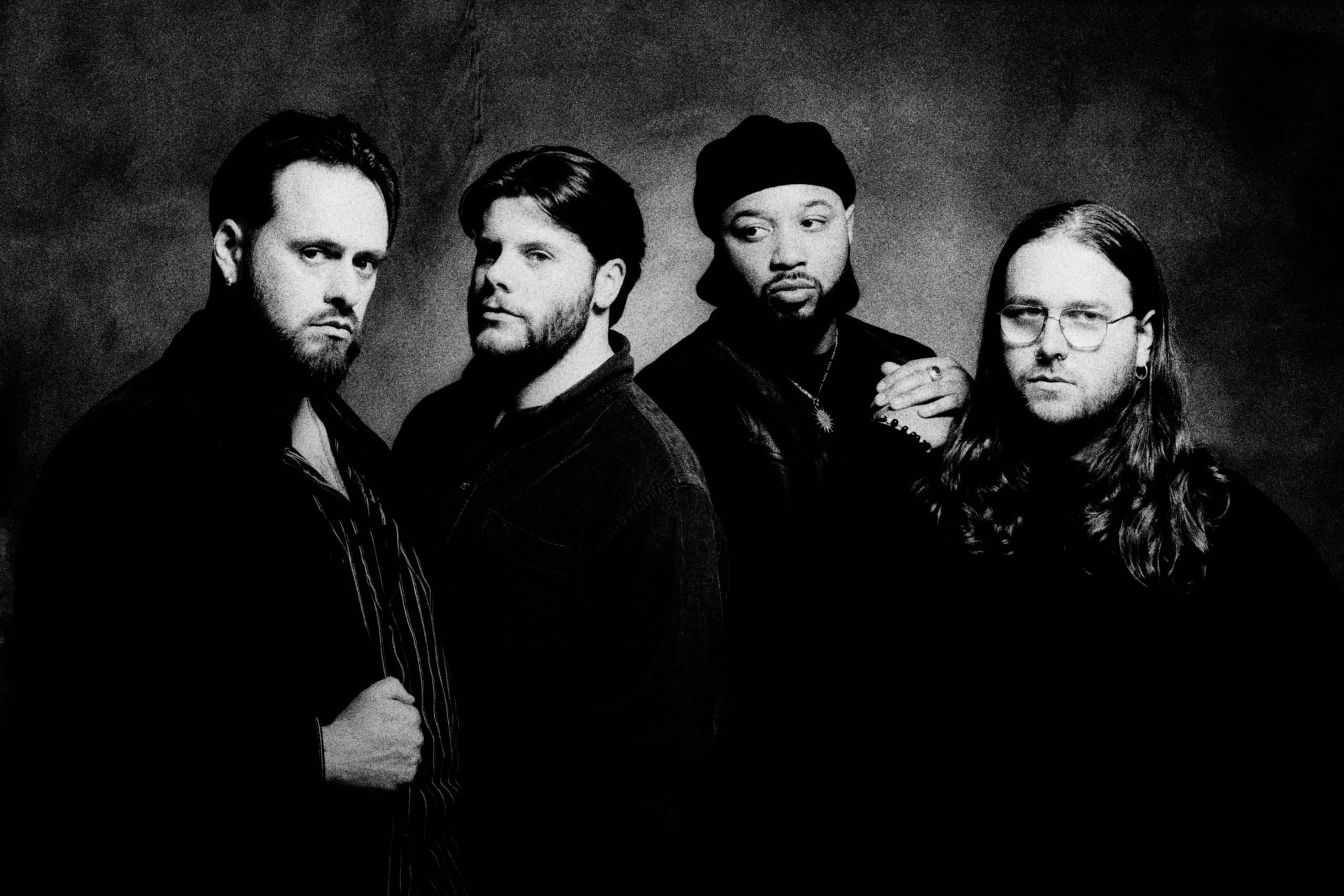

In Ensenada, Mexico, where the Pacific horizon cuts a clean, unwavering line, Holy Wave recorded their latest full-length, i’m DADA, a record that feels both expansive and newly concentrated for the subterranean pop four-piece. Stepping outside the United States was less a retreat than a shift in perspective, creating distance to recognize a new sound that had been slowly taking shape among them. i’m DADA quickly revealed its character: more propulsive, more candid, and their most structurally deliberate work to date.
Working alongside experimental duo Lorelle Meets the Obsolete at their studio El Derrumbe the sessions folded community into the album, though its emotional core had already formed over months of pre-production. Half of Holy Wave is Mexican, with roots in the El Paso border region, so recording in Ensenada felt intuitive and relaxed. Joo Joo Ashworth, mixing engineer and longtime friend, also provided a pivotal presence helping crystallize the album’s rhythmic language and subtly expanding the band’s sound. The songs began reflecting conversations about fatherhood and partnership, breakups and estrangement, the queasy acceleration of AI, and what it means to remain present and principled while the world lurches unpredictably forward.
This tension is not announced but absorbed into the music. Holy Wave stretches their familiar sense of woozy atmosphere into something leaner and more direct. There are more loops and samples woven throughout than before, grooves that feel constructed, cyclical, hypnotic. Some tracks drift toward dub’s elastic spaciousness; others pulse with cinematic downtempo gravity. There is a fresh sense of momentum throughout the record, rhythms that pull forward, dream-saturated textures, sheets of fuzz, and softly suspended vocals.
“dewey’s dirge” unfolds patiently: hazy guitars bloom, a softened motorik pulse moving steadily beneath. The vocals remain submerged, widening rather than exploding. It feels expansive and reflective, a comedown hymn that trades drama for immersion. “i’m DADA,” by contrast, locks into a lean, circular groove. A tight drum figure, rubbery bassline, and clipped guitar phrase repeat until they begin to feel animate. Lyrically, the song circles the complicated devotion of fatherhood, written in a brief pocket of rare solitude for a parent: Always loving (Try to do what’s right) / Always learning (There’s never enough time). “s33.u.in/HAL” plays like a transmission caught midair, faintly mechanical, immersive without ever fully resolving, capturing the album’s central sensation: the act of trying to communicate clearly through static.
If earlier Holy Wave records often felt defined by their sense of drift, i’m DADA feels newly grounded. The album doesn’t abandon immersion; it disciplines it. Grooves settle, repetitions accrue weight, and the music is composed and unshaken amongst its heavier themes. What emerges is not reinvention but a sharpening, with Holy Wave sounding less like a band drifting through atmosphere and more like one deliberately shaping it amongst the chaos.